Pressure washer leaks can be stopped fast by identifying the source, which commonly includes worn O-rings, loose connections, or damaged hoses. Most leaks are fixable by tightening fittings, replacing O-rings, or swapping out compromised hoses, ensuring your equipment operates safely and effectively. Understanding common leak points and adopting proactive maintenance is key to maintaining efficiency and extending the lifespan of your pressure washer.
An Overview of Pressure Washers and Leak Concerns
A pressure washer is a powerful cleaning device that uses a high-pressure stream of water to remove dirt, mold, loose paint, grime, and mud from surfaces and objects. While incredibly effective, any machine designed to handle water under extreme pressure is inherently prone to leaks if not properly maintained or if components degrade. These leaks compromise the unit’s performance by dissipating pressure, making cleaning less efficient. More critically, they can create hazardous conditions, especially when combined with electricity or detergents.
Pressure washers typically come in two main types: electric and gas-powered, categorized further into residential and commercial grades. Electric models are generally lighter and quieter, suitable for lighter cleaning tasks around the home. Gas-powered units, on the other hand, offer more power and mobility, ideal for heavy-duty or commercial applications. The design and material quality of components, such as hoses, fittings, and pump seals, vary significantly between these types and grades. Often, lower-end or residential models may utilize more plastic components, which can be more susceptible to wear and tear, making them more prone to developing leaks over time if not handled with care.
Regardless of its history or specific application – be it washing vehicles, cleaning decks, or prepping surfaces for painting – a pressure washer’s reliability hinges on its ability to maintain a leak-free operation. Every component, from the garden hose inlet to the high-pressure nozzle, plays a critical role in containing pressurized water. Understanding these potential weak points is the first step in both preventing and quickly resolving any water leakage issues to ensure safe and efficient cleaning performance.
A Buying Guide Focused on Leak Prevention
When investing in a pressure washer, thinking proactively about leak prevention can save you considerable hassle and repair costs down the line. The initial choices you make regarding the machine’s specifications, components, and brand reputation directly impact its long-term leak resistance and overall durability. Prioritizing features that ensure water containment will lead to a more reliable and frustration-free cleaning experience.
Assessing Your Usage Needs
Before making a purchase, consider the primary purpose and frequency of your pressure washer use. If you anticipate heavy-duty tasks or frequent operation, opting for a model with more robust components is a wise decision. Machines designed for commercial use or demanding residential tasks typically feature stronger materials and construction, which inherently translates to better resistance against leaks caused by wear and tear. Conversely, for casual, infrequent use, a basic model might suffice, but you’ll need to be extra diligent with maintenance and inspections to ward off potential leak issues. Your budget also plays a critical role; while higher initial investment might seem daunting, it often correlates with superior component quality, reducing the likelihood of leaks and the need for premature repairs.
Key Factors for Leak-Resistant Models
|
Our Picks for the Best Pressure Washer in 2026
As an Amazon Associate I earn from qualifying purchases.
|
||
| Num | Product | Action |
|---|---|---|
| 1 | Westinghouse ePX3100 Electric Pressure Washer, 2300 Max PSI 1.76 Max GPM with Anti-Tipping Technology, Onboard Soap Tank, Pro-Style Steel Wand, 5-Nozzle Set, for Cars/Fences/Driveways/Home/Patios |

|
| 2 | Westinghouse ePX3500 Electric Pressure Washer, 2500 Max PSI 1.76 Max GPM with Anti-Tipping Technology, Onboard Soap Tank, Pro-Style Steel Wand, 5-Nozzle Set, for Cars/Fences/Driveways/Home/Patios |
|
| 3 | LawnMaster Electric Pressure Washer with Detergent Bottle |
|
| 4 | Westinghouse ePX3100v Electric Pressure Washer, 2100 Max PSI 1.76 Max GPM, Built-in Carry Handle, Detachable Foam Cannon, Pro-Style Steel Wand, 3-Nozzle Set, for Cars/Fences/Driveways/Home/Patios |
|
| 5 | Electric Pressure Washer, 2.5 GPM Power Washer with Foam Cannon, Electric High Pressure Washer with 4 Quick Connect Nozzles for Cars, Driveways, Fences, Patios, Home Cleaning |
|
| 6 | Pressure Washer, Power Washer with 4 Quick Connect Nozzles 1 Foam Cannon, Pressure Cleaning Machine for Cars/Fences/Driveways/Patios/Home Cleaning |
|
| 7 | Pressure Washer, Portable Power Washer, 4 Quick Connect Nozzles, High Pressure Cleaning Machine for Car Fence Driveway Patio Washing and More |
|
| 8 | Pressure Washer -4800PSI Power Washer with 4 Quick Connect Nozzles, High Pressure Cleaning Machine with Foam Cannon for Car/Garage/Patio Home Cleaning |
|
| 9 | Westinghouse ePX3050 Electric Pressure Washer, 2100 Max PSI 1.76 Max GPM with Foam Cannon and Turbo Nozzle, for Cars/Fences/Driveways/Home/Patios |
|
| 10 | Pressure Washer Power Washer with 4500MAX-PSI, 4 Nozzles, Foam Cannon for Cleaning Cars, Driveways, Patios(Green) |
|
Several technical specifications and features can indicate a pressure washer’s resilience against leaks. Pressure (PSI) and Flow Rate (GPM) are crucial for cleaning performance, but also reflect pump quality. High-quality pumps, especially those designed for sustained high pressure, often incorporate more durable seals and precision-machined fittings, reducing the chance of internal leaks. The engine type (electric versus gas) indirectly influences pump robustness, with many gas models featuring more heavy-duty pumps. Consider the size and weight in relation to how it will be transported and stored; frequent rough handling can inadvertently damage hoses and connections, leading to leaks. Crucially, pay attention to additional features like quick-connect fittings. While convenient, the quality of these connectors varies; brass or stainless steel quick-connects are far more reliable and leak-resistant than plastic alternatives. Reinforced, non-kinking hoses and sturdy spray wands also contribute significantly to preventing external leaks.
Reputable Brands and User Reviews
The brand of your pressure washer can be a strong indicator of its potential leak resistance. Brands known for their high manufacturing standards and quality control often produce machines with more durable components, including better seals and stronger hose materials. When researching, look for companies that offer readily available and high-quality replacement parts, especially for wear-and-tear items like O-rings and gaskets. Crucially, take the time to read user reviews and comparative analyses. These provide real-world insights into common problems, including specific models notorious for leaks or those praised for their long-term durability and leak-free performance. User feedback can highlight recurring issues with connections, hoses, or pump integrity, helping you make a more informed decision.
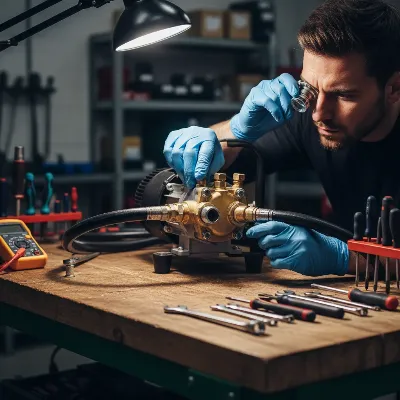 A technician inspecting a pressure washer for leaks on a workshop bench
Pressure Washer Price Segments and Leak Susceptibility
The price point of a pressure washer often reflects the quality of its components and, consequently, its inherent resistance to leaks. Understanding what to expect from different price segments can help manage expectations and guide your investment towards a machine that meets your leak-prevention goals.
Entry-Level (Under $200)
Pressure washers in this segment are typically designed for light, occasional residential use. They often feature more plastic components for fittings, nozzles, and sometimes even parts of the pump housing. While affordable, these materials can be more prone to wear, cracking, or degradation from UV exposure and temperature fluctuations. The O-rings and seals in these models might also be of a more basic quality, making them susceptible to flattening or hardening faster. This means entry-level units generally have a higher likelihood of developing leaks more quickly, particularly around hose connections and spray wands, if not handled with exceptional care and subjected to meticulous, regular maintenance.
Mid-Range ($200-$500)
Stepping up to the mid-range typically brings a noticeable improvement in material quality and construction. You’ll often find more brass or other metal fittings, along with reinforced high-pressure hoses that are less prone to kinking and cracking. The pumps are generally more robust, and the internal seals are of a higher grade, designed to withstand more consistent use and higher pressures. These machines offer a better balance of performance and durability, providing significantly better resistance against common leaks compared to their entry-level counterparts. They represent a solid investment for homeowners who need a reliable machine for frequent and varied cleaning tasks without constant worry about minor leaks.
Premium (Over $500)
Premium pressure washers are built for demanding, commercial-grade applications or for discerning homeowners seeking maximum durability and performance. In this segment, you’ll find top-tier components: heavy-duty steel-braided hoses, solid brass or stainless steel quick-connects, and often professional-grade triplex plunger pumps with ceramic-coated pistons. The sealing mechanisms are designed for extreme longevity and high-pressure resilience, often utilizing advanced materials like Viton for O-rings. These machines are engineered to minimize leak points and withstand rigorous use over many years, making them the least susceptible to common water leaks and offering the highest degree of reliability. While the initial cost is higher, the investment often pays off in reduced downtime, fewer repairs, and superior long-term performance.
Top Picks: Features for Leak-Free Operation
When selecting a pressure washer, specific design features and component qualities stand out as crucial for ensuring a leak-free experience. Rather than focusing on specific brands or models, understanding these characteristics will empower you to identify machines built for durability and reliability in containing high-pressure water. Prioritizing these elements can significantly reduce your chances of encountering frustrating leaks.
Durable Pump Design
The pump is the heart of your pressure washer, and its design fundamentally impacts leak resistance. High-quality pumps, such as triplex plunger pumps often found in premium or commercial units, are generally more robust and precisely engineered than the wobble plate pumps common in entry-level models. Triplex pumps feature solid ceramic plungers and multiple seals designed for continuous operation under high pressure, making them inherently more resistant to wear-related leaks. Look for pumps made with high-grade materials like brass or forged aluminum, as these are less prone to cracking or deforming under stress, which can lead to internal leaks. A well-designed pump also typically includes advanced thermal relief valves to prevent overheating, another common cause of pump seal failure.
High-Quality Hoses and Connections
The hoses and their connections are frequent culprits in pressure washer leaks, making their quality paramount. Opt for machines that come with steel-braided or reinforced rubber high-pressure hoses, which are far more resistant to kinking, abrasion, and bursting than standard plastic or PVC hoses. These durable materials maintain their integrity even under intense pressure and harsh outdoor conditions. Equally important are the fittings and quick-connects. Brass or stainless steel quick-connects offer superior strength and a tighter seal compared to plastic alternatives. They are less likely to strip threads, crack, or deform, which are common causes of leaks at connection points. Inspecting the quality of these components, even on a new machine, can provide significant insight into its long-term leak prevention capabilities.
Superior Sealing Technology
The unsung heroes of a leak-free pressure washer are its O-rings and seals. Machines with superior sealing technology utilize high-grade materials for these critical components. Look for O-rings made from durable elastomers like Viton or Buna-N, which offer excellent resistance to water, chemicals, and temperature fluctuations, ensuring they maintain their shape and sealing integrity over time. The design of the seal housing is also important; precision-machined grooves and robust retention systems help keep O-rings securely in place and prevent them from extruding under pressure. Some advanced pumps also feature multi-lip seal designs for enhanced redundancy and longevity. A pressure washer that emphasizes the quality and accessibility of its O-rings and seals often signals a manufacturer’s commitment to long-term reliability and leak prevention.
Pressure Washer Leak Troubleshooting & Prevention Table
Understanding the common sources of pressure washer leaks and having a clear action plan can help you fix issues quickly and prevent future occurrences. This table outlines the most frequent leak points, their causes, immediate solutions, and long-term prevention strategies to keep your machine running smoothly.
| Leak Point | Common Cause | Fast Fix | Prevention |
|---|---|---|---|
| Hose Connections | Loose fittings, worn O-rings, stripped threads | Tighten by hand, then wrench; replace O-ring | Inspect, lubricate O-rings regularly; use high-quality quick-connects |
| High-Pressure Hose | Cracks, punctures, abrasions from use or storage | Replace damaged hose section or entire hose | Coil loosely, avoid kinks; protect from sharp objects, UV, and extreme temps |
| Spray Gun/Wand/Nozzle | Worn O-rings, cracked plastic, loose connections | Replace O-ring; tighten fittings; replace cracked component | Inspect O-rings regularly; lubricate seals; handle components with care |
| Water Inlet (Garden Hose) | Worn inlet gasket, loose garden hose connection | Replace inlet gasket; tighten garden hose connection | Inspect gasket before each use; ensure secure, hand-tight connection |
| Pump Body/Cylinder Head | Freezing water damage, damaged internal seals, loose bolts | Immediately stop use; replace seals/cylinder head (professional service recommended) | Proper winterization (pump protector); regular maintenance; store in heated area |
| Oil Leaks (Pump) | Loose bolts, damaged oil seals, cracked plungers | Tighten bolts; replace oil seals (professional service recommended) | Regular oil changes; use correct oil; check for milky oil (water ingress) |
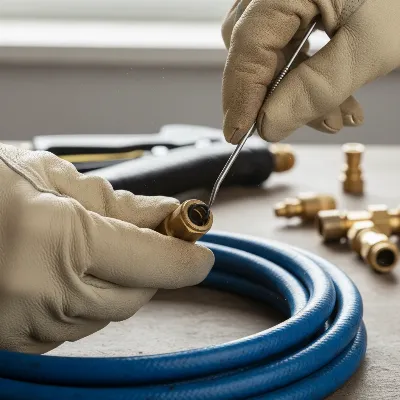 A close-up of hands replacing a worn O-ring on a pressure washer fitting
Operating and Maintaining Your Pressure Washer for Leak Prevention
Proactive maintenance and correct operating procedures are the cornerstones of a leak-free pressure washer. By adopting a diligent approach to setup, cleaning, and storage, you can significantly reduce the likelihood of developing leaks, extend your equipment’s lifespan, and ensure maximum safety and performance during every use. It’s often the small, routine checks that prevent major issues.
Safe and Secure Setup
Every cleaning session should begin with a thorough inspection. Before connecting anything, visually check all hoses, connections, and O-rings for any signs of visible wear, cracks, or damage. Replace any compromised parts immediately. When connecting, ensure all fittings are clean and free of debris. Hand-tighten all connections first to ensure they are seated correctly, then use a wrench only if necessary to snug them further, but never over-tighten, as this can strip threads or crack plastic components. For garden hose inlets and other non-pressurized connections, a small amount of thread seal tape (Teflon tape) can provide an extra layer of leak protection, but it should never be used on high-pressure connections. Finally, ensure your water source provides adequate flow. Running a pressure washer with insufficient water supply can cause the pump to cavitate, leading to excessive heat and premature seal wear.
Routine Cleaning and Maintenance to Avoid Leaks
Consistent care after each use is vital. Disconnect all hoses, drain any remaining water from the pump and lines, and thoroughly clean all fittings to remove dirt or chemical residue. Pay particular attention to O-rings; they are the most common source of leaks. Regularly lubricate O-rings with silicone grease to keep them pliable and prevent cracking. Inspect them for flattening, hardening, or any nicks, and replace them as soon as you notice deterioration. Keeping a spare O-ring kit specific to your pressure washer is a smart strategy for quick fixes.
Proper hose care is equally important; coil high-pressure hoses loosely rather than tightly wrapping them, and store them away from direct sunlight, extreme temperatures, and sharp objects to prevent kinks and abrasions. For gas models, routinely check and change the pump oil according to the manufacturer’s recommendations. This ensures internal components are properly lubricated and prevents seals from drying out or degrading prematurely.
One of the most critical maintenance steps for leak prevention, especially in colder climates, is winterization. Water left inside the pump and hoses can freeze, expand, and crack components like the pump manifold or cylinder head, leading to catastrophic leaks when next used. Always flush the system and apply a pump protector or antifreeze solution before storing your pressure washer for the winter.
Troubleshooting Common Leaks:
- Loose Connections: Often the simplest fix. Disconnect, inspect O-rings, then re-tighten firmly.
- Worn O-Rings: The most frequent cause of leaks at connections. Use a pick to remove the old O-ring and carefully install a new one from your spare kit. Lubricate the new O-ring before installation.
- Cracked Hoses: High-pressure hoses cannot be reliably patched. Replace the entire hose if cracks or punctures are found.
- Damaged Spray Gun/Wand: First, replace the O-rings inside. If the plastic housing itself is cracked, the component will need to be replaced.
- Pump Leaks: If water is actively leaking from the main body of the pump or the cylinder head, immediately stop using the machine. This often indicates serious internal damage, possibly from freezing or prolonged wear. Such issues usually require professional repair or component replacement and should not be ignored for safety reasons.
Conclusion
A leaking pressure washer is more than just a minor inconvenience; it signals compromised performance, wasted resources, and potential safety hazards. By understanding the common culprits behind water leaks—from worn O-rings and loose connections to damaged hoses and internal pump issues—you’re already halfway to a solution. The good news is that most leaks are easily preventable or quickly fixable with diligent inspection, proper maintenance, and timely replacement of inexpensive parts like O-rings. Investing in a quality machine with durable components and adopting a routine of secure setup and post-use care will not only keep your pressure washer leak-free but also ensure it remains a powerful, reliable tool for years to come. Don’t let a drip turn into a downpour; stay proactive and keep your cleaning power flowing.
What simple maintenance task will you commit to performing today to prevent future pressure washer leaks?
Frequently Asked Questions
Frequently Asked Questions
Why are O-rings so important for pressure washers?
O-rings are tiny, flexible rubber rings that create a watertight seal between two connecting parts, preventing high-pressure water from escaping. Their elasticity allows them to compress and fill any gaps. When O-rings become flattened, cracked, or worn, they lose their sealing ability, leading to leaks, making their integrity crucial for a leak-free pressure washer.
Can I use regular plumbers' tape to stop a pressure washer leak?
Plumbers' tape (Teflon tape) is effective for sealing threaded non-pressure connections, like your garden hose inlet. However, it is not recommended for high-pressure fittings, such as those on the high-pressure hose or spray gun. These rely on O-rings to create a seal, and tape can interfere with their proper seating, potentially causing more leaks or even blowouts under pressure.
What if my pressure washer is leaking from the pump body?
A leak from the main pump body or cylinder head is a serious issue that often indicates internal damage, such as a cracked housing due to freezing or worn internal seals. You should immediately stop using the pressure washer and disconnect it. This type of leak typically requires professional repair or component replacement, as continued use can lead to further damage or safety risks.
How often should I check for pressure washer leaks?
It's highly recommended to perform a quick visual inspection of all hoses, connections, and O-rings before each use. A more thorough check, including lubricating O-rings and inspecting hoses for wear, should be done after every few uses or at least seasonally. Proactive checks can catch minor issues before they escalate into major leaks.
Can freezing temperatures cause pressure washer leaks?
Yes, absolutely. This is one of the most common causes of severe pressure washer leaks. Water left inside the pump, hoses, or spray gun can freeze and expand in cold temperatures, leading to cracks in vital components like the pump manifold or cylinder head. Proper winterization, including draining all water and using pump protector, is essential to prevent this.
Troubleshooting Common Pressure Washer Leaks
This guide provides steps to identify and fix common pressure washer leaks, ensuring safe and efficient operation.
Inspect all hose connections for looseness. Disconnect the fitting, check the O-ring for damage, and then re-tighten firmly by hand. Use a wrench only if necessary, but avoid over-tightening to prevent stripping threads or cracking components.
O-rings are a frequent cause of leaks at connection points. Use a pick to carefully remove any old, flattened, or cracked O-rings. Install a new O-ring from your spare kit, ensuring it's lubricated with silicone grease before installation to maintain pliability and a tight seal.
If you find cracks or punctures in your high-pressure hose, it cannot be reliably patched. For safety and performance, replace the entire high-pressure hose with a new one. Always opt for steel-braided or reinforced rubber hoses for better durability.
First, check and replace any O-rings inside the spray gun or wand. If the plastic housing of the component itself is cracked, the entire spray gun or wand will need to be replaced. Ensure all fittings are tight and components are handled with care to prevent future damage.
If water is actively leaking from the main body of the pump or the cylinder head, immediately stop using the machine and disconnect it. This indicates serious internal damage, possibly from freezing or prolonged wear, and typically requires professional repair or component replacement for safety.
Get our weekly buyer guide
Practical specs, not advice. Unsubscribe anytime.

This was super helpful! My pressure washer was losing pressure and I couldn’t figure out why. It turns out I had a tiny pinhole leak in my high-pressure hose that I hadn’t even noticed. The guide’s advice on inspecting hoses thoroughly made me find it. Replaced the hose and it’s working like new again for cleaning my driveway.
I had a persistent leak near the pump on my old pressure washer, and this guide really helped me narrow it down. Turns out it was a worn O-ring, just like it mentioned. Swapped it out and the leak stopped immediately. Wish I’d found this info sooner, would’ve saved me a lot of frustration and wasted water.
I appreciate the tips on identifying leaks, especially around the spray gun. Mine has a small drip there, and while tightening helped a little, it didn’t completely stop. I think I might need to replace the entire gun assembly, which is a bit more involved than I hoped. Still, good info to have.
My pressure washer started leaking from the hose connection, and I was worried I’d have to buy a whole new one. This post walked me through checking for loose connections and sure enough, a quick tighten did the trick! It’s back to full power and no more drips. So glad I didn’t have to spend money on a replacement.