A pressure washer is an incredibly efficient tool, transforming stubborn grime into sparkling surfaces with ease. From reviving a faded deck to cleaning vehicles and driveways, its power is undeniable. However, like any hardworking machine, your pressure washer demands regular attention to maintain peak performance and ensure a long, productive life. Neglecting routine care can lead to frustrating breakdowns, costly repairs, and diminished cleaning power. As an experienced technician with over a decade of hands-on experience across countless pressure washer models, I understand the intricacies of these machines. This comprehensive guide is designed to empower you with the essential maintenance tips, helping you keep your pressure washer running flawlessly, season after season.
Understanding Pressure Washer Maintenance
Regular maintenance is not just about fixing problems; it’s about preventing them. A well-maintained pressure washer operates more safely, efficiently, and effectively, extending its operational lifespan significantly. This care involves both routine checks after each use and more thorough seasonal preparations, such as winterization. The specific maintenance needs often vary between electric and gas-powered pressure washers, primarily concerning their power sources. Electric models require less engine-specific attention, while gas units need regular checks of oil, fuel, and spark plugs to ensure their internal combustion engines remain in prime condition.
Pre-Operation Checks for Your Pressure Washer
Before you even think about firing up your machine, a quick pre-operation inspection can save you from potential headaches and extend the life of your equipment. Taking a few minutes to review these key areas ensures your pressure washer is ready for the task ahead. For explore our pressure washer reviews on this site.
Water Supply and Connections
First, always ensure your water inlet screen, located where you connect your garden hose, is clean and free of debris. A clogged screen can restrict water flow, putting undue strain on the pump. Next, carefully inspect your garden hose for any kinks, leaks, or damage that could compromise water delivery. All connections, including those to the high-pressure hose and spray gun, should be secure and tight. Crucially, never run your pressure washer without an adequate water supply, as this can cause the pump to run dry and overheat, leading to severe internal damage.
Hoses, Wands, and Nozzles
The high-pressure hose endures immense force during operation, making its integrity vital. Look for any signs of wear, such as leaks, cuts, abrasions, or bulges, and replace damaged hoses immediately for safety and performance. Pay close attention to the small O-rings found at hose connections; these rubber seals prevent leaks and can degrade over time. Replace any O-rings that appear cracked, flattened, or worn to maintain a watertight seal. Before starting, clear any clogs from your nozzles using a fine wire or the included nozzle cleaning tool to ensure an optimal spray pattern. Finally, confirm that the chosen nozzle is securely locked into the wand.
Engine & Pump Readiness (Gas Models)
For gas-powered pressure washers, checking the engine is paramount. Begin by inspecting the engine oil level and quality, topping off or changing it as needed with the manufacturer’s recommended oil. Ensure your fuel tank contains fresh, clean gasoline; old fuel can cause starting issues and engine damage, so consider using a fuel stabilizer if the gas has been sitting for a while. The air filter should also be checked and cleaned if dirty to ensure proper engine respiration. Lastly, inspect the spark plug for any corrosion or excessive wear, replacing it if necessary to guarantee efficient ignition and smooth operation.
Post-Use Care for Extended Lifespan
Proper care immediately after each use is just as important as pre-operation checks. This routine helps prevent corrosive buildup, ensures all components are clean, and prepares your machine for its next job, protecting your investment.
Flushing the System
After using your pressure washer, especially if you’ve applied detergents or chemicals, it’s critical to flush the entire system with clean water. Run clean water through the detergent injection system for at least two minutes to remove any residual chemicals that could corrode internal components. Once flushed, turn off the water supply and squeeze the spray gun trigger to release any built-up pressure in the hose and pump. This relieves stress on the system and prevents accidental discharge. Finally, disconnect all hoses and the spray gun from the pressure washer.
Cleaning and Inspection
Take a moment to clean the exterior of your pressure washer with a damp cloth, wiping away any dirt, grime, or chemical residue. This prevents corrosion and keeps the unit looking good. Also, ensure that cooling vents are clear of any debris, which is essential for preventing overheating during future use. Re-inspect all O-rings and seals for signs of wear or damage that might have developed during operation. Pay particular attention to cleaning the nozzles; soak them in a water and vinegar solution if mineral deposits are present, then use a fine wire to clear any remaining obstructions.
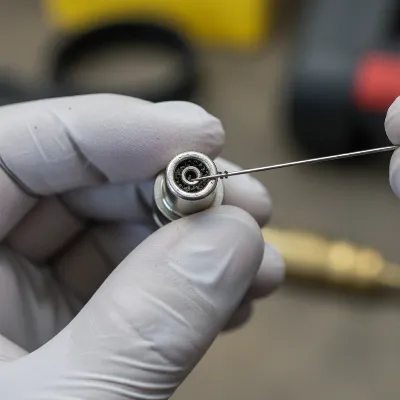 A technician cleaning a pressure washer nozzle with a small wire tool, essential for maintaining optimal spray.
Proper Draining
Before storing your pressure washer, thoroughly drain all excess water from the hoses, spray gun, and pump. Water left inside can lead to mold, bacterial growth, or, more critically, freezing damage in cold weather. For gas-powered models, you can typically pull the recoil handle several times (with the engine off) to help expel any remaining water from the pump’s internal components. This step is a simple yet crucial measure to safeguard the delicate workings of your machine.
Seasonal and Long-Term Storage (Winterization)
If you live in a region where temperatures drop below freezing, or if you plan to store your pressure washer for an extended period, proper winterization is non-negotiable. This process prevents costly damage caused by freezing water and keeps your machine ready for action when you need it next.
Preventing Freeze Damage
The most critical step in winterization is protecting the pump and internal plumbing from freezing water. Even a small amount of residual water can expand when frozen, cracking the pump manifold or other vital components. To prevent this, use a pressure washer pump saver solution or an RV-type antifreeze. Connect the pump saver bottle directly to the pump’s water inlet. Follow the product’s instructions, typically by squeezing the bottle or running the engine briefly until the solution exits the high-pressure outlet, displacing all water and coating the internal parts with a protective, anti-corrosive layer.
Fuel System Preparation (Gas Models)
For gas pressure washers, preparing the fuel system for storage is vital to prevent carburetor gumming and starting issues. You have two primary options: either add a fuel stabilizer to a full tank of fresh gasoline and run the engine for a few minutes to ensure the treated fuel circulates throughout the system, or completely drain the fuel tank and then run the engine until it stops from lack of fuel. The latter ensures no old fuel is left to degrade in the system. Always consult your owner’s manual for the manufacturer’s specific recommendations for fuel storage.
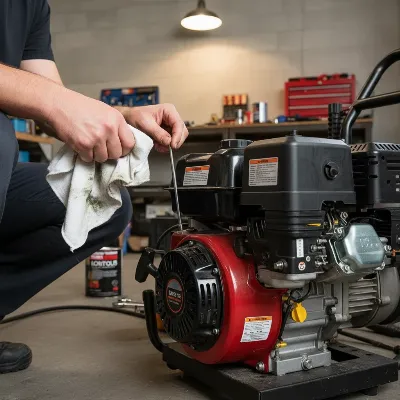 A person checking the oil level of a gas-powered pressure washer engine as part of routine maintenance.
Storage Environment
Once your pressure washer is properly drained and winterized, store it in a dry, temperate, climate-controlled area. A garage, shed, or basement that remains above freezing temperatures is ideal. Avoid storing the unit in direct sunlight or areas with extreme temperature fluctuations. If possible, elevate the pressure washer off concrete floors by placing it on a piece of wood or a shelf. This prevents moisture from wicking into the machine, which can lead to corrosion and material degradation over time.
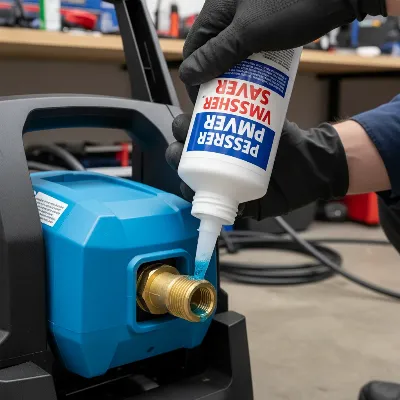 Applying pump saver solution to a pressure washer pump inlet, a key step for winterization.
Common Issues and Troubleshooting Tips
Even with diligent maintenance, issues can arise. Knowing how to identify and address common pressure washer problems can save you time and money.
Loss of Pressure
A sudden or gradual loss of pressure is one of the most common complaints. Begin by checking the simplest culprits: a clogged nozzle, a kinked garden hose, or an insufficient water supply. Ensure your water inlet screen is clean and your O-rings are intact, as damaged seals can cause pressure leaks. If these external factors are fine, the issue might lie within the pump itself, potentially requiring professional inspection.
Engine Not Starting (Gas Models)
For gas-powered units, failure to start often points to fuel or ignition problems. Verify you have fresh fuel in the tank; old, stale gasoline is a frequent cause. Inspect the spark plug for fouling or damage and replace it if necessary. A dirty air filter can also prevent the engine from getting enough air to ignite properly. Finally, ensure the oil level is correct, as many modern pressure washers have low-oil shutdown features.
Leaks
Leaks can occur at various points. Start by checking all hose connections and fittings, ensuring they are tightly secured. Worn or damaged O-rings are a primary cause of leaks and should be replaced immediately. Inspect the high-pressure hose itself for any punctures or cracks. If water is leaking directly from the pump, it could indicate a more serious internal seal or pump component failure, which might require professional repair.
Overheating
An overheating pressure washer, whether electric or gas, is a serious concern that can lead to irreversible damage. Causes often include prolonged continuous use without breaks, clogged filters restricting airflow or water flow, or running the pump dry. Always allow your pressure washer to rest periodically during extended cleaning tasks. Ensure all air filters and water inlet screens are clean, and critically, never run the machine without a constant, adequate water supply.
The Role of Your Owner’s Manual and Professional Service
While this guide covers essential maintenance, the single most valuable resource for your specific pressure washer model is its owner’s manual.
Manufacturer’s Guidelines
Every pressure washer is unique, and your owner’s manual contains model-specific instructions, maintenance schedules, and troubleshooting charts tailored to your machine. It outlines recommended oil types, filter replacement intervals, and any special care requirements. Always refer to this manual first for precise guidance, as adhering to manufacturer specifications is crucial for maintaining warranty validity and optimal performance.
When to Seek Professional Help
There are times when even the most seasoned DIY enthusiast should call in the professionals. If you encounter persistent problems that troubleshooting doesn’t resolve, such as significant pump issues, engine malfunctions beyond simple fixes, or electrical problems in electric models, seeking professional service is advisable. Expert technicians have specialized tools and knowledge to diagnose and repair complex issues, ensuring your pressure washer is safely and effectively restored to working order.
Conclusion
Your pressure washer is a powerful ally in keeping your surroundings pristine, but its effectiveness and longevity depend heavily on consistent, proactive maintenance. By integrating routine pre-operation checks, diligent post-use care, and thorough seasonal preparations like winterization into your cleaning regimen, you safeguard your investment. These essential steps – from inspecting hoses and nozzles to caring for the engine and pump – ensure optimal performance, enhance safety, and significantly extend the life of your machine. Regular attention means your pressure washer will always be ready to tackle any cleaning challenge you throw its way. What’s the most challenging maintenance task you’ve faced with your pressure washer?
Frequently Asked Questions
How often should I change the oil in my gas pressure washer?
For gas-powered pressure washers, it is generally recommended to change the oil every 50 operating hours or at least once per season, whichever comes first. Always check your specific owner’s manual for the exact schedule and the type of oil recommended by the manufacturer.
Can I use regular automotive antifreeze for pressure washer winterization?
While some RV-type antifreeze is acceptable, it is generally best to use a specialized pressure washer pump saver solution. These products are formulated to not only prevent freezing but also lubricate seals and inhibit corrosion, offering comprehensive protection that regular automotive antifreeze might not provide.
What should I do if my pressure washer has no pressure?
First, check for simple issues: a clogged nozzle, a kinked hose, or an inadequate water supply. Ensure all connections are tight and O-rings are intact. Clean the water inlet screen. If these don’t resolve the issue, it might indicate a problem with the pump or an internal component, which could require professional inspection.
How do I prevent my pressure washer from freezing in cold weather?
To prevent freezing, thoroughly drain all water from the pump, hoses, and spray gun. Then, circulate a pressure washer pump saver solution or RV antifreeze through the system to displace any remaining water and protect internal components. Store the unit in a dry, temperate, freeze-free environment.
Why is my gas pressure washer not starting?
Common reasons for a gas pressure washer not starting include old or stale fuel, a dirty or faulty spark plug, a clogged air filter, or insufficient engine oil (many units have a low-oil shutdown). Always ensure fresh fuel, a clean air filter, and a properly gapped spark plug before attempting to start.
Is professional pressure washer servicing necessary?
While much maintenance can be done by the owner, annual professional servicing can be beneficial. Technicians can identify underlying issues, perform complex repairs, and ensure all components are functioning optimally, potentially extending the machine’s lifespan and maintaining peak efficiency, especially for heavily used units.
Get our weekly buyer guide
Practical specs, not advice. Unsubscribe anytime.
