Tackling stubborn grime, unsightly mold, or pervasive mildew often leads homeowners to consider their most potent cleaning allies. For many, this includes the power of an electric pressure washer paired with the aggressive stain-fighting capability of bleach. The thought of combining these two forces to achieve a sparkling clean can be tempting. However, before you load up your electric pressure washer with a bleach solution, it’s crucial to understand the potential risks and best practices. As a technician with over a decade of experience across various pressure washer brands, from compact residential units to robust industrial machines, I’m here to guide you through the intricacies of using bleach safely and effectively, without compromising your equipment or your well-being. This guide will explore whether bleach is suitable for your electric pressure washer, the risks involved, safer alternatives, and how to maintain your machine for optimal performance.
Understanding Electric Pressure Washers
Electric pressure washers have become a staple for homeowners seeking an efficient way to clean outdoor surfaces. These compact machines are powered by an electric motor, making them quieter, lighter, and easier to operate than their gas-powered counterparts. They are perfectly suited for a range of light to medium-duty tasks around the home, such as cleaning patios, driveways, decks, outdoor furniture, and vehicles.
Unlike heavy-duty industrial machines, electric pressure washers typically feature pumps and internal components designed for less aggressive cleaning agents. While highly effective at delivering pressurized water, their internal seals, O-rings, and pump materials can be more susceptible to harsh chemicals. Understanding these limitations is key to preserving your equipment and ensuring safe operation.
The Allure and Risks of Using Bleach
Bleach has long been celebrated for its powerful disinfecting and whitening properties. It’s an oxidizer that effectively breaks down organic matter, making it a go-to solution for eradicating mold, mildew, algae, and various organic stains that plague exterior surfaces. The prospect of combining this potent cleaning agent with the high-pressure spray of your electric washer seems like a natural fit for achieving pristine results.
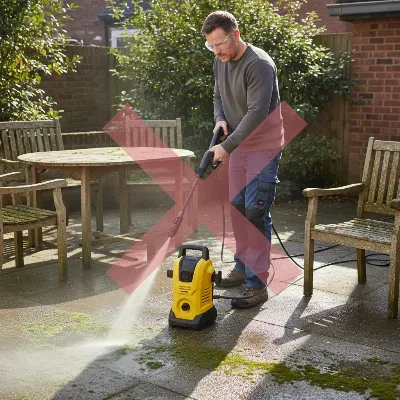 A vibrant electric pressure washer cleaning a patio with a subtle caution overlay, emphasizing DIY use considerations
However, this powerful chemical comes with significant drawbacks, especially when introduced into the delicate internal workings of an electric pressure washer. The very properties that make bleach an effective cleaner also make it a corrosive agent that can wreak havoc on your equipment.
The Dangers to Your Electric Pressure Washer
The primary concern with running bleach through your electric pressure washer is its corrosive nature. Bleach, or sodium hypochlorite, is a strong oxidizer that can significantly degrade the non-metallic components within your machine.
- Corrosion and Material Degradation: Bleach can corrode metal pump parts and deteriorate rubber seals and O-rings. These components are vital for maintaining the high pressure and preventing leaks that define a pressure washer’s functionality.
- Pump Damage and Failure: As seals and O-rings degrade, they lose their ability to create watertight connections, leading to leaks and a substantial drop in water pressure. This not only impairs cleaning performance but can also cause internal pump damage, eventually leading to premature pump failure. Some experts suggest that regular bleach use could shorten a pump’s life from potentially decades to as little as 50 to 100 hours of operation.
- Manufacturer Warnings: Many pressure washer manufacturers explicitly advise against using bleach in their machines. For instance, Generac, a prominent manufacturer, clearly states that “bleach can cause permanent damage to the seals and O-rings in the gun, wand, hoses, and pump. Use only power washer soap as a cleaning agent.” Ignoring these warnings can void your warranty and lead to costly repairs or replacements.
|
Our Picks for the Best Pressure Washer in 2026
As an Amazon Associate I earn from qualifying purchases.
|
||
| Num | Product | Action |
|---|---|---|
| 1 | Westinghouse ePX3500 Electric Pressure Washer, 2500 Max PSI 1.76 Max GPM with Anti-Tipping Technology, Onboard Soap Tank, Pro-Style Steel Wand, 5-Nozzle Set, for Cars/Fences/Driveways/Home/Patios |

|
| 2 | Pressure Washer -4800PSI Power Washer with 4 Quick Connect Nozzles, High Pressure Cleaning Machine with Foam Cannon for Car/Garage/Patio Home Cleaning |
|
| 3 | Electric Pressure Washer, 2.5 GPM Power Washer with Foam Cannon, Electric High Pressure Washer with 4 Quick Connect Nozzles for Cars, Driveways, Fences, Patios, Home Cleaning |
|
| 4 | Pressure Washer, Portable Power Washer, 4 Quick Connect Nozzles, High Pressure Cleaning Machine for Car Fence Driveway Patio Washing and More |
|
| 5 | Westinghouse ePX3100v Electric Pressure Washer, 2100 Max PSI 1.76 Max GPM, Built-in Carry Handle, Detachable Foam Cannon, Pro-Style Steel Wand, 3-Nozzle Set, for Cars/Fences/Driveways/Home/Patios |
|
| 6 | Westinghouse ePX3050 Electric Pressure Washer, 2100 Max PSI 1.76 Max GPM with Foam Cannon and Turbo Nozzle, for Cars/Fences/Driveways/Home/Patios |
|
| 7 | Pressure Washer, Power Washer with 4 Quick Connect Nozzles 1 Foam Cannon, Pressure Cleaning Machine for Cars/Fences/Driveways/Patios/Home Cleaning |
|
| 8 | Westinghouse ePX3100 Electric Pressure Washer, 2300 Max PSI 1.76 Max GPM with Anti-Tipping Technology, Onboard Soap Tank, Pro-Style Steel Wand, 5-Nozzle Set, for Cars/Fences/Driveways/Home/Patios |
|
| 9 | LawnMaster Electric Pressure Washer with Detergent Bottle |
|
| 10 | Pressure Washer Power Washer with 4500MAX-PSI, 4 Nozzles, Foam Cannon for Cleaning Cars, Driveways, Patios(Green) |
|
Personal and Environmental Safety Hazards
Beyond the risk to your machine, using bleach with a pressure washer poses serious safety and environmental concerns. The high-pressure spray can easily aerosolize bleach particles, creating a hazardous environment.
- Personal Health Risks: Inhaling bleach fumes can cause respiratory irritation, coughing, and difficulty breathing. Contact with skin can lead to irritation or chemical burns, while eye exposure can cause severe damage. Always wear appropriate personal protective equipment, including safety goggles, chemical-resistant gloves, and respiratory protection, if you choose to work with bleach.
- Environmental Impact: Bleach can be detrimental to surrounding vegetation, killing plants, grass, and trees. It can also harm aquatic life if it drains into nearby waterways. Always contain runoff and rinse thoroughly with plenty of fresh water to minimize environmental exposure.
- Dangerous Chemical Reactions: Never mix bleach with other cleaning agents, especially ammonia. Mixing bleach and ammonia creates toxic chloramine gas, which can cause severe lung damage or even be fatal. Always be aware of the chemical composition of any product you use alongside bleach.
> “While bleach is a highly effective sanitizer and stain remover, its corrosive nature makes it a significant threat to the integrity of your pressure washer’s pump and seals. Prioritizing machine longevity and personal safety means carefully considering alternatives or application methods that bypass the machine’s internal components.” – Industry Expert, ReviewMyPPC.com
Proper Cleaning Agents and Methods for Electric Pressure Washers
Given the risks, it’s essential to approach pressure washing with bleach cautiously. The safest methods involve avoiding direct contact between bleach and your pressure washer’s internal pump.
Manufacturer-Approved Detergents
The safest and most recommended approach is to use detergents specifically designed for pressure washers. These detergents are formulated to be effective on various stains while being non-corrosive and biodegradable, protecting both your machine and the environment. They often include specific ingredients to tackle mold, mildew, oil, grease, and general dirt without the harshness of bleach. Always check your pressure washer’s manual for recommended detergents and follow the dilution instructions carefully. Using approved detergents ensures optimal cleaning performance without the risk of damaging your equipment.
The Safer Pre-Application Method
If you absolutely must use bleach for a particularly stubborn stain, the safest way to do so is through a “pre-application” method that keeps the bleach out of your pressure washer’s pump.
- Dilute the Bleach: Prepare a diluted bleach solution in a separate container. A common and effective ratio is one part household bleach to three or four parts water. For heavily soiled areas, you might adjust this slightly, but never use full-strength bleach.
- Apply with a Garden Sprayer: Pour the diluted bleach solution into a standard garden sprayer. Evenly apply the solution to the surface you intend to clean, ensuring good coverage. Allow it to sit for 5-15 minutes, but do not let it dry on the surface.
- Rinse with Your Pressure Washer: After the bleach has had time to work, use your electric pressure washer with clean water only to thoroughly rinse the surface. The pressure washer’s role here is purely for rinsing away the pre-treated grime and bleach solution, rather than applying the chemical. This method significantly reduces the risk of damage to your pressure washer’s internal components.
Downstream Injectors (for specific machines)
For more advanced users or those with pressure washers equipped with a downstream injector, this method offers a way to introduce cleaning agents without them passing through the pump. A downstream injector draws the chemical into the water stream after it has exited the pump, typically before the hose connects to the spray gun. This setup is more common on professional-grade or higher-end gas pressure washers, though some electric models may offer it as an accessory. If your machine has this feature, it provides a safer route for applying bleach solutions, as the corrosive chemical never touches the pump’s internal seals. Always ensure the injector is properly installed and flushed after use.
Extending Your Pressure Washer’s Lifespan
Proper maintenance is paramount to ensuring your electric pressure washer lasts for years, especially when dealing with any cleaning agents. Regular care can prevent many common issues and extend the life of your investment.
Regular Flushing
This is arguably the most critical maintenance step, particularly if you’ve used any cleaning solution through your machine’s detergent tank (even approved ones). After every use, especially after applying detergents, run clean water through your pressure washer for several minutes. This flushes out any residual chemicals or particles that could otherwise dry and corrode internal components. Ensuring the system is clean helps prevent clogs and premature wear of seals and valves.
Proper Storage
When not in use, proper storage protects your pressure washer from damage. Always drain all water from the pump and hoses to prevent freezing in colder climates, which can crack components. Storing your machine in a dry, cool place away from direct sunlight also prevents moisture buildup and material degradation. If storing for an extended period, consider using a pump protector or antifreeze solution to lubricate and safeguard internal parts.
Regular Inspection
Periodically inspect your pressure washer for signs of wear and tear. Check hoses for cracks or leaks, and ensure all connections are secure. Examine the O-rings in the quick-connect fittings and nozzle for any flattening, chips, or damage; replacing these inexpensive parts can prevent significant pressure loss. Pay attention to any changes in performance, such as reduced pressure or unusual noises, which could indicate a developing issue with the pump or motor. Addressing small problems promptly can prevent them from escalating into costly repairs.
Comparison of Cleaning Methods for Electric Pressure Washers
Choosing the right cleaning method is a balance between effectiveness, safety, and protecting your equipment. Here’s a comparison of common approaches:
| Method | Effectiveness (Mold/Mildew) | Machine Risk | Personal Safety Risk | Environmental Impact | Cost |
|---|---|---|---|---|---|
| Bleach (through machine) | High | Very High (Corrosion, pump failure) | High (Fumes, splashes) | Moderate (Vegetation, runoff) | Low (Bleach is inexpensive) |
| Bleach (Pre-application w/ sprayer) | High | Very Low (Bleach bypasses pump) | Moderate (Fumes, splashes) | Moderate (Vegetation, runoff) | Low (Bleach is inexpensive) |
| Approved Pressure Washer Detergent | Moderate to High (Depends on formulation) | Very Low (Formulated for machines) | Low (Generally safer, but follow instructions) | Low (Biodegradable options) | Moderate (Specialized products) |
Conclusion
The question of whether you can use bleach in an electric pressure washer for DIY projects is complex. While bleach is undeniably effective at eradicating tough organic stains and brightening surfaces, the consensus among pressure washer manufacturers and experienced technicians leans heavily towards caution. Directly running bleach through your electric pressure washer’s pump carries a significant risk of corrosion, leading to irreparable damage to seals, O-rings, and ultimately, pump failure. This can dramatically shorten the lifespan of your equipment and potentially void your warranty.
For safe and effective cleaning, prioritize manufacturer-approved pressure washer detergents designed to protect your machine. If bleach is deemed absolutely necessary for a specific task, always opt for the pre-application method using a garden sprayer, followed by a thorough rinse with clean water from your pressure washer. Consistent maintenance, including regular flushing and proper storage, will also extend your pressure washer’s life, regardless of the cleaning agents you use. By understanding these nuances, you can keep your outdoor spaces pristine without compromising your valuable equipment or your safety. What methods have you found most effective for tackling stubborn stains with your electric pressure washer?
Câu Hỏi Thường Gặp
Can I use household bleach in my electric pressure washer’s detergent tank?
No, it is strongly advised against using household bleach directly in your electric pressure washer’s detergent tank. Bleach is corrosive and can permanently damage the internal seals, O-rings, and pump components of your machine, leading to leaks and premature failure.
What are safe alternatives to bleach for pressure washing mold and mildew?
Safe alternatives include dedicated pressure washer detergents specifically formulated for mold and mildew removal. These products are designed to be effective against organic growth while being non-corrosive to your equipment and often biodegradable, making them safer for the environment.
How do I prevent my pressure washer from corroding if I’ve used chemicals?
To prevent corrosion, always flush your pressure washer thoroughly with clean water for several minutes after each use, especially if you’ve run any cleaning solutions through it. This removes chemical residues that could otherwise dry and cause damage to internal components.
Will diluting bleach make it safe for my electric pressure washer?
While dilution can reduce the immediate harshness of bleach, it does not eliminate its corrosive properties entirely. Even diluted bleach can still cause long-term damage to the internal components of an electric pressure washer, such as rubber seals and metal parts.
Is it better to apply bleach with a garden sprayer before pressure washing?
Yes, using a garden sprayer for bleach pre-application is a much safer method. This keeps the corrosive bleach solution out of your pressure washer’s pump and internal system. You then use your pressure washer with clean water only for rinsing, minimizing machine damage risks.