A pulsating pressure washer can turn a routine cleaning task into a frustrating chore, hindering your efficiency and potentially causing damage. Instead of a consistent, powerful stream, you experience an erratic flow that fluctuates between strong bursts and weak dribbles. This inconsistency not only compromises your cleaning results but can also place undue stress on the machine’s internal components, shortening its lifespan. Understanding the root causes of this common issue is the first step toward restoring your pressure washer to its optimal performance. This guide will walk you through the primary reasons behind pressure washer pulsation and provide five straightforward, quick fixes to get your machine back to delivering that steady, high-pressure clean you rely on.
Understanding Pressure Washer Pulsation: Causes and Symptoms
Pulsation, often described as surging or an inconsistent spray, occurs when your pressure washer fails to maintain a steady water flow and pressure output. Instead of a smooth, continuous jet, the water exits in intermittent bursts, sometimes accompanied by a noticeable drop in power. This irregularity can manifest in several ways, signaling that something is amiss within your system.
Common signs of pulsation include an uneven or surging water flow, a spray wand that shakes or vibrates excessively during use, and an audible sputtering or irregular sound coming from the machine. You might also observe the pressure oscillating rapidly between high and low without you adjusting the throttle or nozzle. These symptoms are not merely annoying; they indicate an underlying problem that, if ignored, can reduce cleaning effectiveness, strain the pump and motor, and ultimately shorten the life of your pressure washer. Typically, pulsation points to a restriction in water flow, air trapped within the system, or an inefficiency with the pump’s operation.
The Top 5 Reasons Your Pressure Washer Pulsates
When your pressure washer starts to pulsate, it’s usually an indication of one of a few common issues. Identifying the specific cause is crucial for applying the correct solution and getting your machine back to its smooth, powerful operation. Let’s delve into the most frequent culprits behind an inconsistent pressure washer spray.
Air in the Water System
|
Our Picks for the Best Pressure Washer in 2026
As an Amazon Associate I earn from qualifying purchases.
|
||
| Num | Product | Action |
|---|---|---|
| 1 | Pressure Washer -4800PSI Power Washer with 4 Quick Connect Nozzles, High Pressure Cleaning Machine with Foam Cannon for Car/Garage/Patio Home Cleaning |

|
| 2 | Pressure Washer, Power Washer with 4 Quick Connect Nozzles 1 Foam Cannon, Pressure Cleaning Machine for Cars/Fences/Driveways/Patios/Home Cleaning |
|
| 3 | Westinghouse ePX3100 Electric Pressure Washer, 2300 Max PSI 1.76 Max GPM with Anti-Tipping Technology, Onboard Soap Tank, Pro-Style Steel Wand, 5-Nozzle Set, for Cars/Fences/Driveways/Home/Patios |
|
| 4 | Westinghouse ePX3050 Electric Pressure Washer, 2100 Max PSI 1.76 Max GPM with Foam Cannon and Turbo Nozzle, for Cars/Fences/Driveways/Home/Patios |
|
| 5 | Westinghouse ePX3100v Electric Pressure Washer, 2100 Max PSI 1.76 Max GPM, Built-in Carry Handle, Detachable Foam Cannon, Pro-Style Steel Wand, 3-Nozzle Set, for Cars/Fences/Driveways/Home/Patios |
|
| 6 | Pressure Washer, Portable Power Washer, 4 Quick Connect Nozzles, High Pressure Cleaning Machine for Car Fence Driveway Patio Washing and More |
|
| 7 | Pressure Washer Power Washer with 4500MAX-PSI, 4 Nozzles, Foam Cannon for Cleaning Cars, Driveways, Patios(Green) |
|
| 8 | Westinghouse ePX3500 Electric Pressure Washer, 2500 Max PSI 1.76 Max GPM with Anti-Tipping Technology, Onboard Soap Tank, Pro-Style Steel Wand, 5-Nozzle Set, for Cars/Fences/Driveways/Home/Patios |
|
| 9 | Electric Pressure Washer, 2.5 GPM Power Washer with Foam Cannon, Electric High Pressure Washer with 4 Quick Connect Nozzles for Cars, Driveways, Fences, Patios, Home Cleaning |
|
| 10 | LawnMaster Electric Pressure Washer with Detergent Bottle |
|
One of the most common reasons for pulsation is the presence of air within the pressure washer’s water system. Air bubbles can disrupt the steady flow of water that the pump relies on, causing it to “stutter” as it tries to process both air and liquid. This can happen if the garden hose has kinks, if connections are loose, or if the water supply itself is insufficient, allowing the pump to suck in air along with water. Low water supply can also lead to cavitation, where air bubbles form in the pump due to a lack of incoming water, creating an uneven output.
Clogged Nozzle or Inlet Filter
The delicate balance of pressure and flow can be easily upset by blockages. A clogged spray nozzle, even with a small piece of debris, can severely restrict water exit, leading to pressure buildup in the pump and subsequent surging as the pump tries to compensate. Similarly, a dirty or blocked inlet filter, located where the garden hose connects to the pressure washer, can restrict the amount of water entering the pump. This starvation of water can cause the pump to draw air or operate inefficiently, resulting in pulsation.
Inadequate Water Supply
Your pressure washer requires a continuous and sufficient volume of water to operate smoothly and maintain consistent pressure. If the water source—typically your outdoor faucet—isn’t fully open or cannot provide the minimum gallons per minute (GPM) required by your machine, the pump will struggle. This insufficient flow can lead to a vacuum being created, drawing air into the system, or simply preventing the pump from building and holding a steady pressure. Long garden hoses or those with small diameters can also restrict flow, mimicking an inadequate supply.
Faulty or Misadjusted Unloader Valve
The unloader valve is a critical component that regulates pressure by redirecting water back to the pump inlet or a bypass line when the spray gun trigger is released. If this valve is faulty, sticking, or improperly adjusted, it can cause the pressure to fluctuate erratically. A sticky unloader valve might not fully open or close when it should, leading to inconsistent pressure delivery. An unloader valve that is set too low or too high can also contribute to surging, as the pump struggles to maintain a stable operating pressure.
Worn Pump Components
Over time and with regular use, the internal components of your pressure washer’s pump can experience wear and tear. Worn pump seals, for instance, can allow air to leak into the pump, leading to pulsation. Damaged or dirty inlet and discharge valves (check valves) inside the pump can also prevent proper water flow and pressure regulation. These valves are designed to open and close precisely with each pump stroke, and if they don’t function correctly, the pump’s ability to create consistent pressure is severely compromised, resulting in a pulsing sensation.
5 Quick Fixes for a Pulsating Pressure Washer
When your pressure washer starts to pulsate, a few targeted troubleshooting steps can often resolve the issue quickly. These fixes address the most common causes, getting your machine back to peak performance without extensive downtime. Always ensure your pressure washer is turned off and disconnected from its power source before performing any maintenance or inspection.
Fix 1: Bleed Air and Ensure Ample Water Flow
Air trapped in your pressure washer’s system is a leading cause of pulsation. To bleed the air, connect your garden hose to the pressure washer and turn on the water supply fully. Do not connect the high-pressure hose or nozzle yet. Squeeze the trigger on the spray gun and allow water to flow through the pump for 1-2 minutes until a steady stream emerges without any air bubbles. This purges the air from the system. Additionally, verify that your water source is fully open and providing adequate flow. Ensure your garden hose is free of kinks, has an appropriate diameter, and isn’t excessively long, as these factors can restrict water volume and lead to air intake.
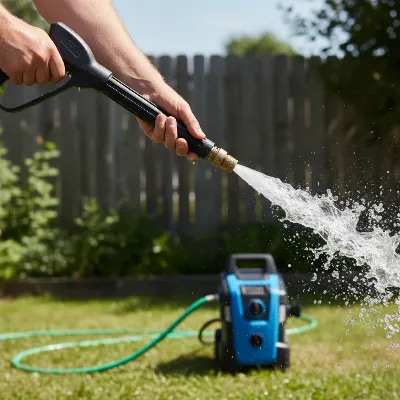 Person bleeding air from a pressure washer by running water through it without a nozzle.
Fix 2: Inspect and Clear Nozzles and Filters
A blocked nozzle or inlet filter can drastically impede water flow, causing your pressure washer to pulsate. First, remove the spray nozzle from the wand and inspect its opening for any debris or mineral deposits. Use a nozzle cleaning tool (a small wire or needle, often provided with the washer) to carefully clear any obstructions. Then, flush the nozzle with clean water. Next, locate the inlet filter, usually a small screen or cup at the water inlet connection. Remove it and rinse thoroughly under running water to clear any sediment or grit. Replace the nozzle if it appears worn or damaged, as internal wear can also cause uneven spray.
Fix 3: Secure All Hose Connections and Check for Leaks
Loose connections or leaks in your hoses can allow air to be drawn into the system, or cause pressure loss, both leading to pulsation. Systematically check all connections: where the garden hose attaches to the pressure washer, where the high-pressure hose connects to the pump outlet, and where it attaches to the spray gun. Tighten any fittings that feel loose. Inspect both the garden hose and the high-pressure hose for any visible kinks, cracks, or damage. Even a small pinhole leak can introduce air and disrupt consistent pressure. Replace any damaged hoses immediately.
Fix 4: Evaluate and Adjust the Unloader Valve
The unloader valve is crucial for regulating pressure, and a malfunction here often causes pulsation. While internal repairs can be complex, you can often check for basic issues. If your unloader valve has an adjustment knob (not all do), try carefully turning it to see if it resolves the pulsing. Sometimes, the valve can stick due to mineral buildup or debris. With the machine off and depressurized, you can attempt to gently depress and release the unloader piston (if accessible) to ensure it moves freely. If the unloader valve appears to be sticking or damaged, it might need to be cleaned, adjusted, or replaced by a knowledgeable user or professional.
Fix 5: Basic Pump Health Check
If the simpler fixes don’t resolve the pulsation, the issue might stem from the pump itself. While internal pump repairs are often best left to professionals, you can perform a basic health check. Look for any visible leaks around the pump body or seals; even minor leaks can allow air to enter the system. For gas-powered models, ensure the pump oil level is correct and the oil is clean; low or dirty oil can lead to pump wear. Listen for any unusual grinding or excessive rattling noises, which could indicate worn bearings or internal components. If you suspect significant internal pump damage or issues with check valves, seeking professional service is advisable.
“Many pulsation issues are surprisingly simple to fix once you pinpoint the cause. Always start with the basics like air in the lines or a clogged nozzle before diving into more complex pump diagnostics.” – John Peterson, Certified Pressure Washer Technician
Preventing Future Pressure Washer Pulsation
Proactive maintenance and mindful operation are key to ensuring your pressure washer runs smoothly and consistently, preventing the frustration of pulsation. By adopting a few best practices, you can significantly extend the life of your machine and maintain its peak performance for every cleaning task.
Regular Maintenance for Longevity
Consistent upkeep is vital. After each use, flush your pressure washer with clean water to remove any detergent residue or mineral deposits that could clog filters, nozzles, or internal pump components. For seasonal storage, especially in freezing climates, always winterize your machine by draining all water and circulating a pump protector solution through the system. This prevents freezing damage and corrosion. Regularly inspect your hoses for wear, kinks, or leaks, and check your nozzles for blockages or signs of wear. Periodically clean your inlet filter to ensure a steady, unrestricted water supply to the pump. These routine checks can catch minor issues before they escalate into major problems like pulsation.
Best Practices for Operation
Operating your pressure washer correctly can also prevent pulsation. Always ensure your garden hose is fully uncoiled and free of kinks, providing an unimpeded water flow. Make sure your water source (faucet) is completely open to supply the necessary GPM for your machine. Using the correct nozzle size for your task is also important; an incorrect nozzle can sometimes lead to pressure imbalances. Avoid running your pressure washer without a water supply, as this can damage the pump. If you need to pause cleaning, release the trigger to allow the unloader valve to bypass water, reducing stress on the pump. By adhering to these operational guidelines, you create an optimal environment for your pressure washer to perform without surging.
Conclusion
A pulsating pressure washer can be an aggravating problem, but it’s often a solvable one. By methodically troubleshooting common culprits like air in the system, clogged components, inadequate water supply, unloader valve issues, or minor pump wear, you can frequently restore your machine to its smooth, powerful operation. Remember, consistent cleaning efficiency relies on a steady stream, and understanding these quick fixes empowers you to maintain your equipment effectively. Regular maintenance and proper usage are your best defense against future pulsation. Don’t let an uneven spray disrupt your cleaning routine; take action and get your pressure washer humming again! What routine checks do you perform to keep your pressure washer running smoothly?
Câu Hỏi Thường Gặp
Why does my pressure washer surge then stop?
This often indicates a severe restriction in water flow or a major air lock. Check your water supply and all hose connections thoroughly for kinks, clogs, or leaks, and ensure the inlet filter is clean. The pump might be struggling to pull water, causing it to surge and then cut out when pressure drops too low.
Can a dirty air filter cause a pressure washer to pulsate?
While a dirty air filter primarily affects the engine’s performance on gas-powered models, leading to sputtering or loss of power, it is less directly a cause of water pulsation. Water pulsation is almost always related to issues within the water path itself: supply, pump, hoses, or nozzle.
How do I know if my unloader valve is bad?
A bad unloader valve can cause inconsistent pressure, where the machine either continuously builds pressure even when the trigger is released, or it pulsates heavily even with a good water supply and clean nozzle. If adjusting it doesn’t help, or if it leaks excessively, it may be faulty.
What PSI should my water supply have for a pressure washer?
Most residential pressure washers are designed to work effectively with standard household water pressure, typically between 20-60 PSI. More importantly than PSI, ensure your water source provides adequate Gallons Per Minute (GPM) as specified by your pressure washer’s manufacturer to prevent cavitation and pulsation.
Is it bad if my pressure washer pulsates?
Yes, it is generally bad if your pressure washer pulsates. While minor pulsing might just be inefficient, consistent or severe pulsation can put significant stress on the pump, motor, and other internal components. This increased strain can lead to premature wear, costly repairs, and a shortened lifespan for your machine.